
Living Afghanistan
The experience
Learn about Afghan wedding traditions, feast culture, family ceremony, and the hospitality surrounding major celebrations.
Afghan weddings are among the most important occasions in family and community life. Hospitality, family, food, dress and ceremony come together, and customs vary from family to family and region to region.
The experience
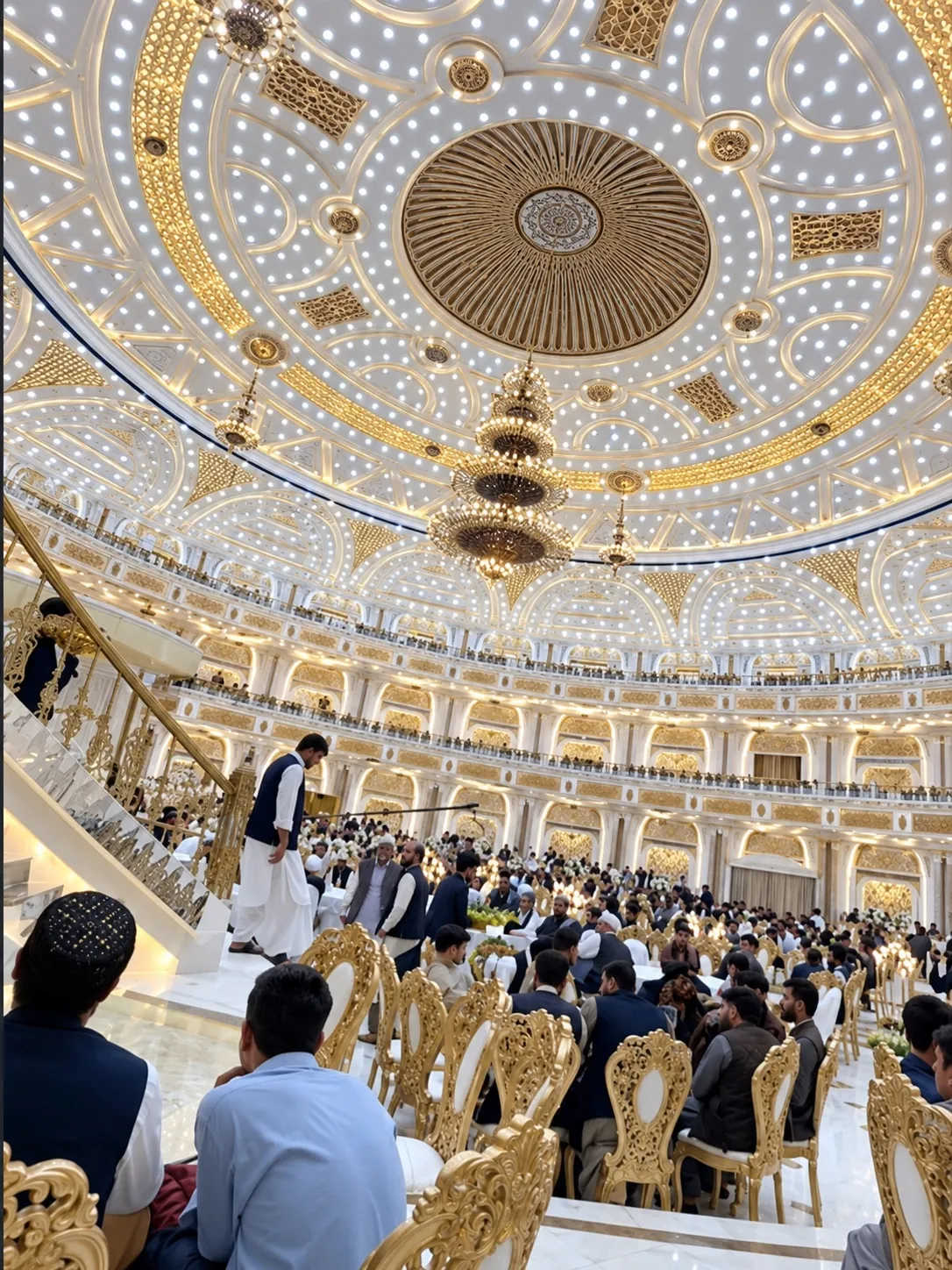
An Afghan wedding is first of all an act of hospitality. Families welcome relatives, neighbours and guests, and much of the celebration centres on making every guest feel looked after.
- Family at the centre. Weddings bring several generations together, and both families share in the preparations and the celebration.
- The wedding feast. Families put great care into the meal. Rice dishes such as narenj palaw, dumplings such as mantu, kabobs, fresh bread, sweets and tea are commonly served to honour guests.
- Dress. Families and guests often wear their finest clothes, and traditional dress and colourful fabrics are a visible part of many celebrations.
- Ceremony and celebration. Depending on the family, the occasion can include music, dance and customs passed down through generations.
- Respectful participation. Guests follow their hosts’ lead, dress modestly, ask before taking photographs and respect separate spaces where families observe them.
Arranging a wedding experience
Interested in experiencing a traditional Afghan wedding? With sufficient advance notice, our local team can explore opportunities to arrange an authentic wedding experience through participating families and hosts. Arrangements depend on the occasion, availability and the hosts’ invitation.
Every wedding is a private family occasion, so nothing can be guaranteed, and guests attend only at the hosts’ invitation. Our team’s local relationships are what make such an invitation possible, so let us know early in your planning if this interests you.
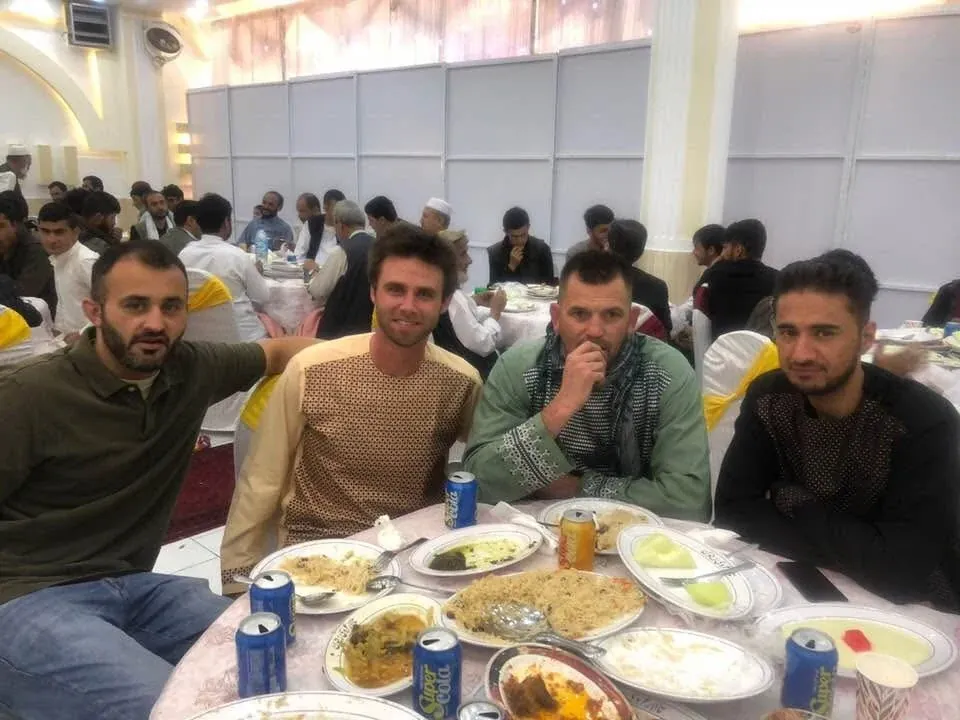
Cultural pairing: narenj palaw and mantu
If a wedding is not possible during your visit, you can still enjoy dishes often served at weddings, such as narenj palaw and mantu, as part of your journey’s food experiences.